
Blog, Educational, Giddel, News, Uncategorized, uvFreshr
Giddel Toilet Cleaning Robot & uvFreshr UVC Disinfection Lights for the HealthCare Environment
GIDDEL TOILET CLEANING ROBOT
The spread of potentially pathogenic microbial aerosols from toilet flushes is an established scientific phenomenon. Biofilm buildup can allow pathogenic microbes to persist. For instance, C. difficile spores persisted in bowl water even after 24 flushes. Salmonella can persist under the toilet rim upto 50 days. Pathogens like E. coli O157 and the flu virus can stay active over 24 hours and require a low concentration to cause infection. Many pathogens are also transmitted through the fecal oral route. Use of the same cleaning tool like a sponge for the toilet and other bathroom surfaces like the vanity sink have been shown to spread contamination. Toilet cleaning should therefore have it’s own tool. Toilet cleaning exposes the human to potential pathogenic microbial contamination. Risk of infection has been shown to increase the more frequently a person uses the toilet. Significantly higher nasal colonization of Methicillin-resistant Staphylococcus aureus (MRSA) which is known to be associated with health care associated infections, was recorded in hospital janitors compared to non hospital janitors. Disease outbreaks have been found to be associated with toilets, and there are many pathogenic microbes from toilets, that cost health care systems heavily, as evidenced in the tables below.
Automated toilet cleaning prevents human exposure to pathogens during toilet cleaning. Automatic toilet bowl cleaners have been shown to reduce the number of microorganisms in toilet flush aerosols. Together, this can potentially reduce the heavy cost burdens to the health care system. Hygiene can still be improved and health care system cost burdens further reduced when a uvFreshr UVC light tested for >99.9999% disinfection, and a surfactant are used with Giddel toilet cleaning robot.
Outbreaks associated with Toilets

USA Health Care System Costs of some Common Pathogens:
Canada Health Care System Costs of some Common Pathogens:
Concentration of pathogens and bacteria in feces:

Infectious pathogens excreted in Urine:

In addition to preventing human exposure to potential contamination during toilet cleaning, Giddel can serve as an alternative backup should cleaning staff be unavailable. Giddel can also help improve worker experience, retention rate and save worker time.
The average cleaning company loses up to 55 percent of its customer base every year because of a lack of service quality or simple non-performance. The average age of the janitor or cleaner is over 45 years. The janitorial industry turnover rate is very high.
In general, automation facilitates multitasking (among other benefits) which theoretically increases productivity over larger time/labor/cost scales. For example, Giddel’s Cleaning Cycle is approximately 5 minutes. Making the reasonable assumption that alternate useful work can be conducted in that time, like cleaning/disinfecting the remainder of the bathroom for instance, Giddel saves the time it would take for a worker to clean the toilet bowl. This saving would then be multiplied by the total number of such cleans over time. This can vary with facility work environment as the time it takes to clean a toilet can depend on the speed of the person cleaning as well as how dirty the toilet(s) are to be cleaned.
Giddel toilet cleaning robot offers a standard of cleaning that is repeatable and consistent.
Giddel cleans systematically from the least dirty to most dirty areas i.e. from the rim top, to the inner rim, under the toilet rim, and down the entire bowl to the exit.
Giddel toilet cleaning robot is particularly useful in health care environments where patients are immunocompromised and are more susceptible to infection; or in health care environments where patients have health conditions that cause persistent or chronic diarrhea.
Some diarrhea inducing conditions include crohn’s disease, colitis, celiac disease, gastroenteritis, inflammatory bowel syndrome, diverticulosis, infections, chronic kidney disease, diabetes mellitus, colorectal cancer, chronic pancreatitis, various medications and their long-term use, allergies, lactose intolerance, chemotherapy, and abdominal surgery. Such conditions may require frequent toilet cleaning to prevent healthcare associated infections (HAI).
Giddel can clean the toilet more than once a day if needed.

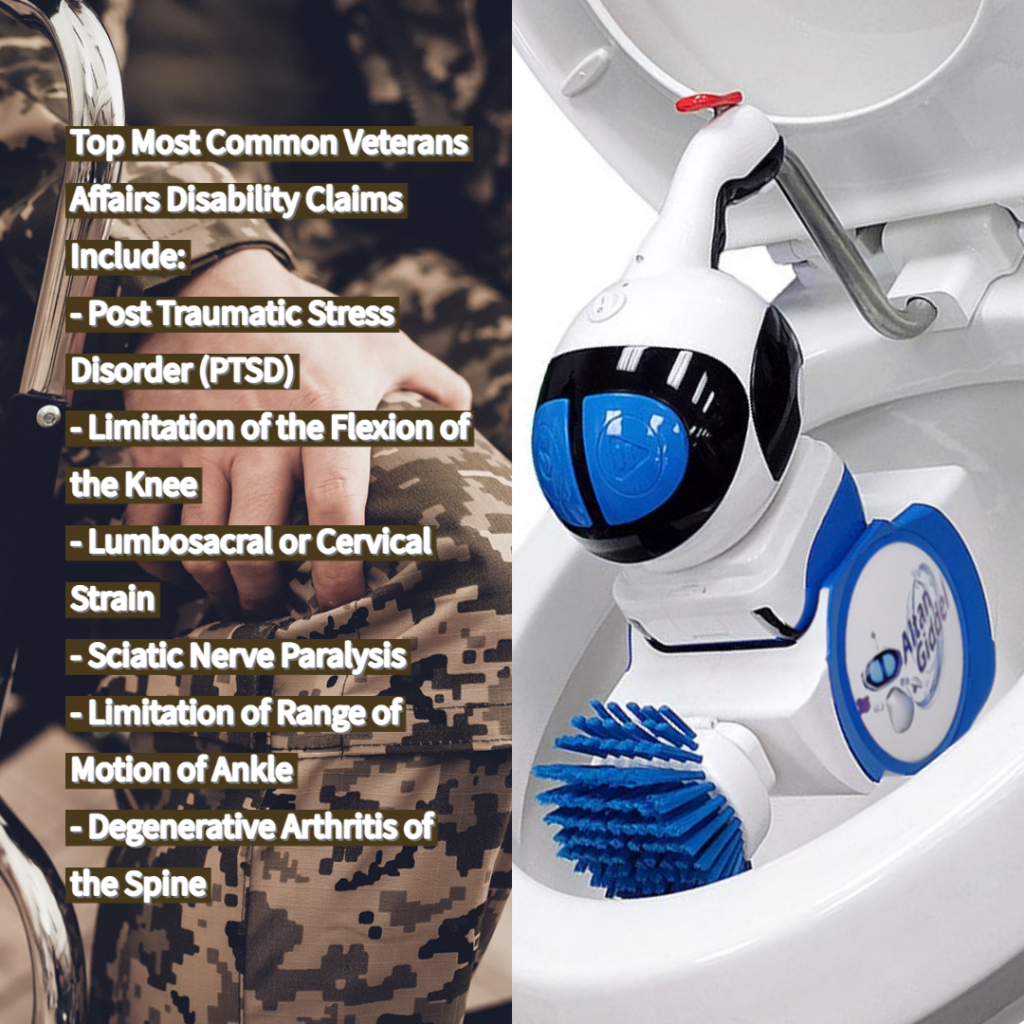

After a one time easy installation of a mounting bracket under a toilet seat, Giddel is plug and play and walk away and stores in it’s charging station when not in use.
The American Hospital Association for the Health Care Environment states that healthcare associated infections (HAI) cost a facility up to $45,000 (2014 estimate) and so recommends UV disinfection technologies.
Kindly note this in the following text in italics extracted from the American Hospital Association for the Health Care Environment.
Environmental Services (EVS) personnel are tasked with the incredibly important process of cleaning and disinfecting the patient environment and are the unsung heroes of infection prevention.
Consider the following evidence-based facts about the health care environment:
- Validation that environment plays a role: Environmental contamination has been demonstrated to play a role in acquisition of infection with MRSA, VRE, C. difficile, Pseudomonas aeruginosa, Acinetobacter species and Norovirus. (2,3)
- Disinfection practice is sub-optimal: Studies have shown that staff is only cleaning and disinfecting about 30 percent to 50 percent of the surfaces that should be cleaned, which include toilet hand holds, light switches, door knobs, bedside rails, nurse call buttons and patient telephones. (4,5)
- Pathogens survive up to months: Studies have found that both Gram (+) and Gram (-) bacteria can survive for months on dry surfaces; respiratory viruses can survive for days, and gastrointestinal viruses for more than a week. (6)
- In hospitals, previous occupancy increases risk: It has been shown that patients are at higher risk of acquiring an HAI when their room was previously occupied by an infected patient. (7)
Given that an HAI can cost a facility up to $45,000, (8) a more comprehensive approach to surface disinfection may be necessary. The adoption of UV surface treatment technology may be a cost-effective intervention.
Altan Robotech (USA) Inc. has a number of UVC disinfection lights under the brand uvFreshr, to offer health care facilities for >99.9999% disinfection of their environments. Why uvFreshr? Check out the videos below.
uvFreshr UVC Disinfection Lights:
The cost of traditional chemical disinfectants is a recurring cost to environmental disinfection. However, uvFreshr UVC disinfection lights are rechargeable via USB-C in most cases to a phone charger or laptop and so is a long term cost effective solution to disinfection.
Achieving 99.9% disinfection rate with chemical disinfecting sprays or wipes is labor intensive. Chemical disinfectants per their label typically require some minutes to soak to achieve the over 99.9% disinfection rate, and achieving this disinfection rate may be impacted by how quickly a person wipes over a surface and how quickly the surface dries.
Per the image label of Lysol below, a surface spot would need to be 10 minutes wet to achieve 99.9% disinfection. With uvFreshr, one does not need to wait 10 minutes to ensure the surface remains wet. Just set uvFreshr and leave it. Since uvFreshr UVC lights are programmable, labor time spraying or scrubbing various surfaces is eliminated.
When used according to the recommended conditions of use, uvFreshr UVC lights also offer a consistent over 99.9% disinfection rate.

Note: the label reads “To Disinfect: Allow to remain wet for 10 minutes.”
Not only is uvFreshr cost-effective but it is your green solution to disinfection because uvFreshr UVC lights have no toxic chemicals.
The Centers for Disease Control and Prevention (CDC) has a health hazard table for common active ingredients in disinfectants. The table includes CDC hazard statements involving the skin, respiratory system, eyes, heart, central nervous system, kidneys. CDC has also documented some cases of chemical disinfectant exposures and temporal associations with COVID-19. uvFreshr UVC disinfection lights have no toxic chemicals and have in built safety sensors to turn the UVC light off in case of accidental exposure to UVC light.
Giddel toilet cleaning robot and uvFreshr UVC disinfection lights can potentially serve to yield huge long term cost savings because they are hygiene and disinfection products and toilet hygiene and general surface disinfection are preventive measures rather than corrective actions in the health care system. There are potentially huge long term cost savings to be had in preventing a healthcare problem than in correcting it.
